A Simple Guide to Herbal Infusions
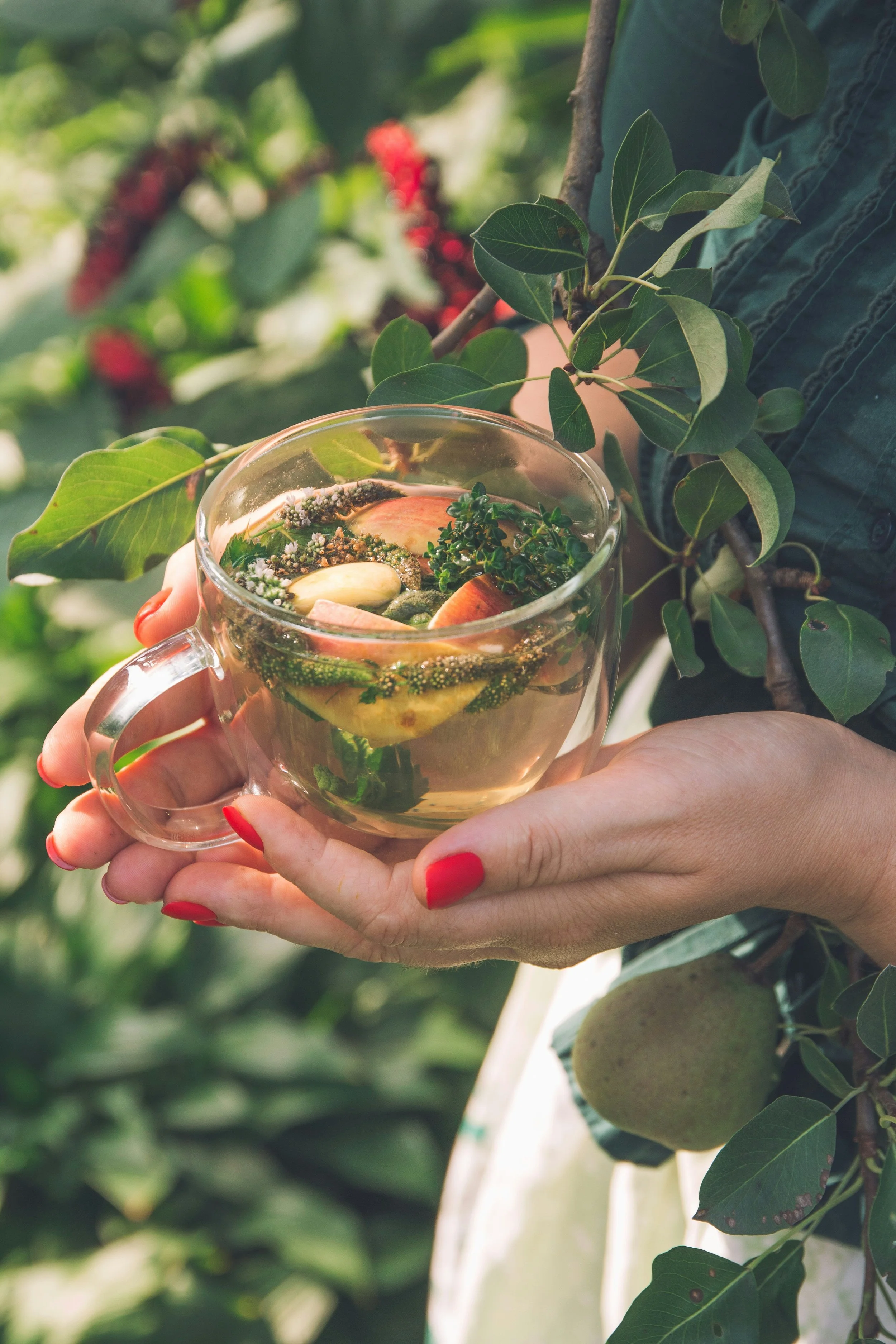
An herbal infusion is a simple way of extracting water soluble constituents of plants into water. If you've prepared a cup of tea, you've made an infusion, but there are many ways to play with this basic practice.
One of the things I love most about working with plants is that it doesn't have to be complicated. An herbal preparation can be as simple as a handful of herbs, water, and a little time.
I was reminded of this while traveling in Greece this summer. Herbs were woven so naturally into everyday life. Driving along the coast of the Mani Peninsula, we could smell wild oregano on the breeze through the open windows. The small, beautiful purple flowers covered the dry, rocky hillsides and followed the winding roads, growing with Queen Anne’s Lace as far as you could see. In the mountains, where the yoga retreat center was located, cold herbal infusions were offered for each meal, and served throughout the day. I found myself choosing the oregano over and over.
Since returning home, I've found myself thinking about how naturally herbs were woven into everyday life there. It wasn't necessarily different from how I work with plants at home, but there was something about experiencing that simplicity in another place that stayed with me. And this time of year, when gardens, farmers markets, and our kitchens are filled with fresh herbs, it feels like a particularly beautiful time to embrace it.
Mint, basil, lemon balm, thyme, oregano and so many other familiar plants offer an easy place to begin.
You don't need an extensive apothecary or an elaborate preparation to work with plants. Sometimes a handful of fresh herbs, water and a little time are enough.
What Is an Herbal Infusion?
An herbal infusion is a preparation made by steeping plant material in water to extract its water soluble constituents. If you've ever made a cup of herbal tea, you've made an infusion.
But there are many ways to work with this basic practice. Infusions can be made with fresh or dried plant material, using hot or cold water, and steeped for different lengths of time. The amount of herb, temperature of the water, length of the steep, and the plant itself all influence what ends up in your cup. While there are useful guidelines to follow, there isn't one perfect method for every plant.
Herbalism is both an art and a science, but part of the joy is staying curious and deepening our relationship with the plants through practice.
Fresh or Dried Herbs?
Both fresh and dried herbs can make beautiful infusions, but they offer slightly different experiences and expressions of a plant.
Working With Dried Herbs
Throughout much of the year, I rely on dried herbs. Drying removes most of the plant's natural water content, allowing us to preserve herbs well beyond their growing season. Because water has been removed, dried herbs are more concentrated by volume, so we generally use less dried plant material than fresh.
As a starting point, try approximately:
1 tablespoon dried herb per 8 ounces of water
For a larger batch, you can use about:
1 ounce dried herb per 32 ounces of water
These are starting points rather than hard rules. A tablespoon of a light, fluffy herb like chamomile is very different from a tablespoon of a dense or finely cut herb or root. Some plants also have much stronger flavors than others.
Before steeping, you can gently crush larger dried leaves and flowers between your fingers. This increases the surface area exposed to the water and can help release the plant's aroma and flavor.
Working With Fresh Herbs
There is something particularly special about working with fresh plants.
There is something special about working with a plant that was growing only moments before. Freshly harvested herbs still carry the moisture, aroma, color and vitality of the living plant, qualities that naturally begin to shift once a plant is harvested and dried.
Because fresh plants contain much more water than dried herbs, you'll generally need more plant material.
A good starting point is:
2–3 tablespoons fresh herb per 8 ounces of water
Gently bruise, tear or chop fresh leaves before infusing them. This increases their surface area and helps the water come into greater contact with the plant material.
And then, experiment. Try fresh mint one day and dried mint another. Notice the differences in aroma, flavor and color. One may feel brighter or softer, while the other may taste deeper or more concentrated. Make your infusion a little stronger next time or let it steep longer.
Observation is part of herbal practice, too.
Hot Water Infusions
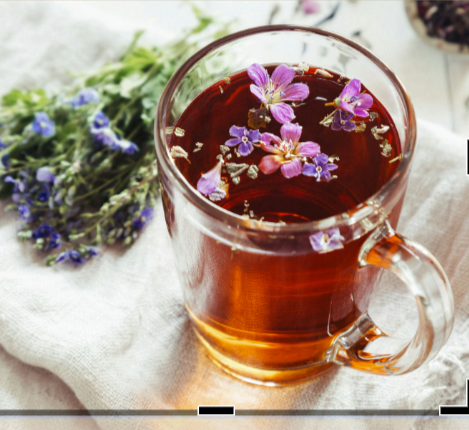
A hot infusion is probably the most familiar way to prepare herbs.
Place your herbs in a cup, jar or teapot and pour hot water over them. Make sure the plant material is submerged, cover your vessel, and allow the herbs to steep before straining.
For a lighter everyday cup, 10–15 minutes may be enough. Other herbal infusions are intentionally allowed to steep for 30 minutes, an hour, several hours, or even longer. Herbalists may use longer steeping times when preparing certain herbs therapeutically or when a stronger extraction is desired.
Longer isn't necessarily better. The ideal steep depends on the plant you're using and the kind of preparation you want to make. As steeping time increases, the flavor will change and the extraction of various water soluble plant constituents can change as well.
Why Cover Your Infusion?
When you're working with aromatic herbs such as peppermint, lemon balm, rosemary, thyme or chamomile, you'll want to keep your infusion covered while it steeps.
Many aromatic plants contain volatile oils. These are the compounds responsible for much of the fragrance we experience when we rub a mint leaf between our fingers or smell oregano growing in the sun. They're called volatile because they evaporate readily and carry through the air.
Covering your infusion while it steeps helps capture more of those aromatic compounds rather than allowing them to disappear with the steam. So, if you've ever wondered why you’ve heard to put a lid on your tea, that's one of the reasons.
Cold Water Infusions
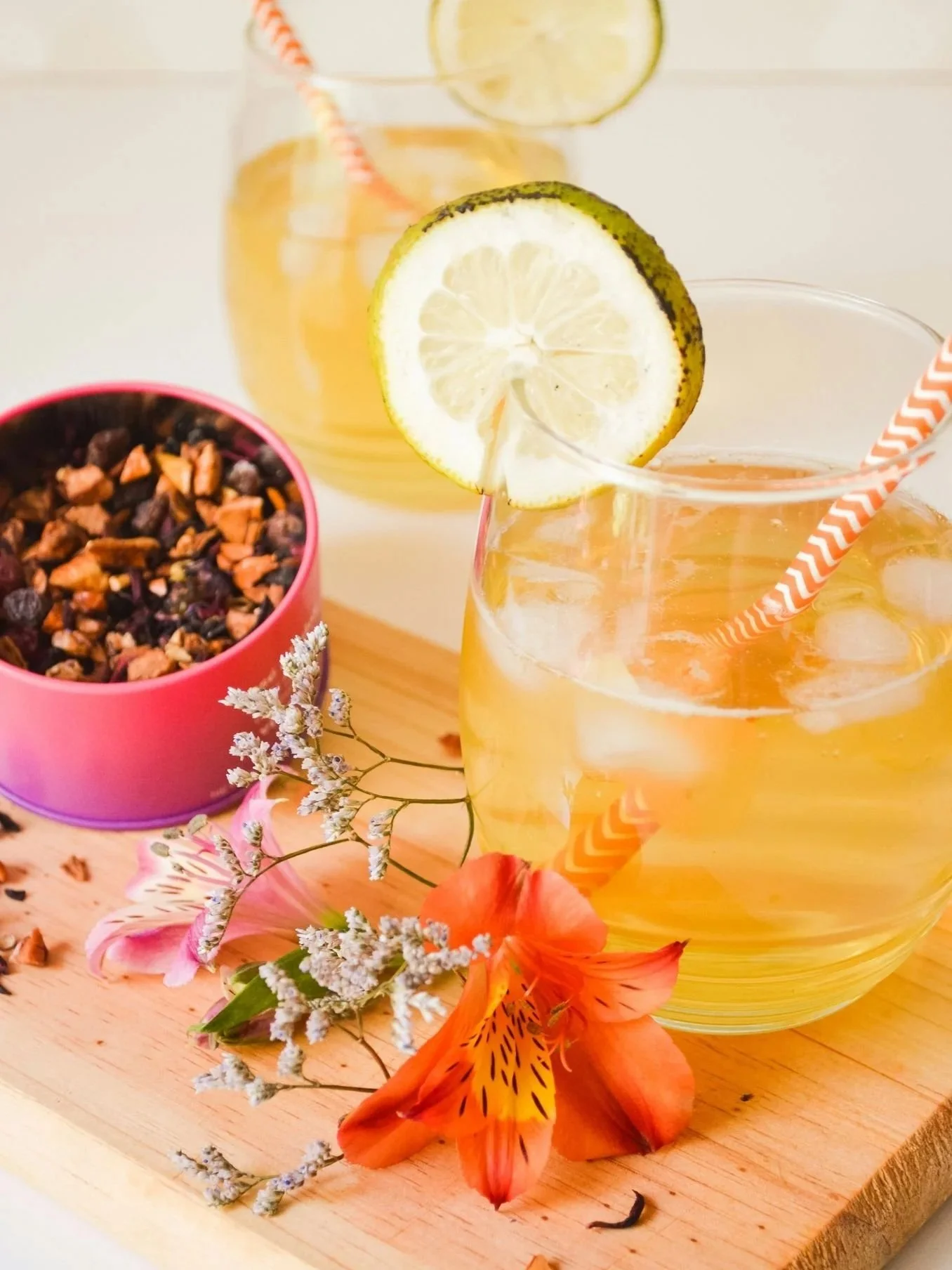
Herbal infusions don't have to be hot.
A cold infusion is made by steeping plant material in cool or room temperature water for a longer period of time. I especially love this method during the warmer months.
Add your herbs to water, cover and allow them to infuse for several hours or overnight. I typically prepare mine in the evening, place it in the refrigerator, and strain the following morning.
Cold water extracts plants differently than hot water does, which can change both the constituents extracted and the flavor of the finished preparation. For some herbs, a cold infusion can have a softer, less bitter flavor than the same plant prepared with hot water. Cold water is particularly useful when working with herbs that contain mucilage.
What Is Mucilage?
If you've ever soaked chia or flax seeds and noticed the slippery coating that develops around them, you've experienced mucilage.
Some medicinal plants contain larger amounts of these soothing, slippery polysaccharides. Herbalists describe plants rich in mucilage as demulcents, meaning they can help soothe and coat irritated or dry tissues. Marshmallow root is a classic example.
A cool or cold infusion of marshmallow root draws out its mucilage beautifully, creating a noticeably slippery preparation. Hot water can certainly extract components of marshmallow as well, but when that soothing mucilage is what we're most interested in, a cold preparation is often preferred. This is a wonderful example of why preparation matters.
We aren't simply putting herbs into water. The plant we're working with and the constituents we hope to extract can help determine how we prepare it.
So, Hot or Cold? There doesn't always have to be a best method. Sometimes your choice is based on the plant. Sometimes it's based on the flavor you’re looking for. And sometimes it's simply August and you would much rather reach for a cool jar from the refrigerator than a steaming cup of tea.
A hot infusion may be a good choice when you:
Want a quicker preparation
Enjoy a stronger or fuller flavor
Are working with many common leaves and flowers
Want a traditional warm cup of herbal tea
A cold infusion may be worth exploring when you:
Want a refreshing preparation
Prefer a softer flavor from certain bitter herbs
Are working with mucilage rich plants
Want to slowly infuse fresh herbs over several hours or overnight
You can also prepare the same herb both ways.
It's one of my favorite ways to learn about a plant. Make a hot infusion one day and a cold infusion the next and pay attention to how the aroma, flavor, color and texture change.
How Long Should Herbs Steep?
This is one of those questions in herbalism where the answer is….it depends.
A simple cup of herbal tea might steep for 5–15 minutes.
A stronger herbal infusion may steep for 30 minutes or considerably longer.
A cold infusion may be left for several hours or overnight.
The plant itself matters. The part of the plant matters. And what you're trying to make matters. Instead of thinking that every herb needs to steep for exactly the same amount of time, begin with a basic method and learn how individual plants respond.
Taste along the way. A ten minute infusion and an hour long infusion of the same herb can be surprisingly different.
A Few Herbs to Explore
If you're new to making herbal infusions, you don't need to start with unfamiliar medicinal plants. Look at what's already around you.
Mint is cooling and refreshing and works beautifully in both hot and cold infusions. Try it cold in summer and notice how pronounced its cooling quality feels.
Lemon balm has a bright, lemony flavor and a gentle calming quality. I really love working with it fresh, when its delicate citrus aroma is at its most vibrant.
Basil is sweet, spicy and highly aromatic. It's a well known kitchen herb, but experiencing it on its own as an infusion offers an entirely different way to appreciate its unique qualities.
Tulsi, also known as holy basil, is warming and slightly spicy. It has a long tradition of use in Ayurveda and is often enjoyed as an everyday herbal infusion. This is one of my go to herbs from the garden!
Chamomile is floral, slightly sweet and gently bitter. Let it steep a little longer and you'll notice its bitterness will be more pronounced, making it a wonderful herb for exploring how steeping time changes your preparation.
Thyme is pungent, warming and intensely aromatic. Traditionally used as a respiratory herb, its strong volatile oils and distinctive flavor make it interesting to experience outside of its usual role as a culinary herb,
Oregano is warming, slightly bitter and deeply herbaceous. If you primarily know it from cooking, drinking oregano on its own can completely change the way you experience this familiar plant.
Rose is floral and gently astringent, with a long tradition of supporting both the physical and emotional heart. As you sip, notice the subtle drying or tightening sensation it can leave in the mouth. Pay attention to where you notice the plant in your body and how you feel as you drink it. This kind of observation is one way we begin to understand a plant beyond its taste alone.
Marshmallow offers something entirely different…texture. Cold infuse the root and you'll notice the slippery quality created by its mucilage, making it one of the easiest ways to experience how preparation method can change what we draw from a plant.
Start with plants you know and feel comfortable using.
In fact, when you're learning, I often recommend making single herb infusions rather than immediately creating blends. It gives you an opportunity to really experience that plant, its aroma, taste, color, texture and how those qualities change depending on how you prepare it.
How Long Do Herbal Infusions Keep?
Herbal infusions are water based preparations and don't contain preservatives, so they have a relatively short shelf life. Make small batches, strain your herbs, and keep the finished infusion refrigerated. As a simple home practice, I prefer to make what I expect to drink fairly quickly, ideally within about 24 to 48 hours.
Use your senses. If something smells, tastes or looks different than it should, discard it and make a fresh batch.
Start With What You Have
Herbalism can become a lifelong study.
We can learn about plant chemistry and constituents, traditional uses, energetics, herbal actions, extraction methods and formulation. There is always another layer to explore. But, practicing herbalism doesn't always need to feel complicated.
Sometimes it can begin with the mint taking over a corner of the garden. The basil on your kitchen counter. The oregano you normally reach for while you're cooking. Simply choose one. Notice its scent before you put it into the water. Taste a leaf if it's an herb you know is safe to use. Make an infusion and notice what changes.
Try it fresh. Try it dried.
Try it hot. Try it cold.
Pay attention to what you discover.
There is information to be found in books and classrooms, but there is also something to be learned by simply spending time in relationship with a plant.
Plant. Water. Time. That’s more than enough to begin.